

English Teenagers Are the Worst in Europe at Foreign Languages
Do you worry about making mistakes when you speak English? Remember that the English person you are talking to may well speak no foreign language at all. In exams, English teenagers came out worst in Europe!
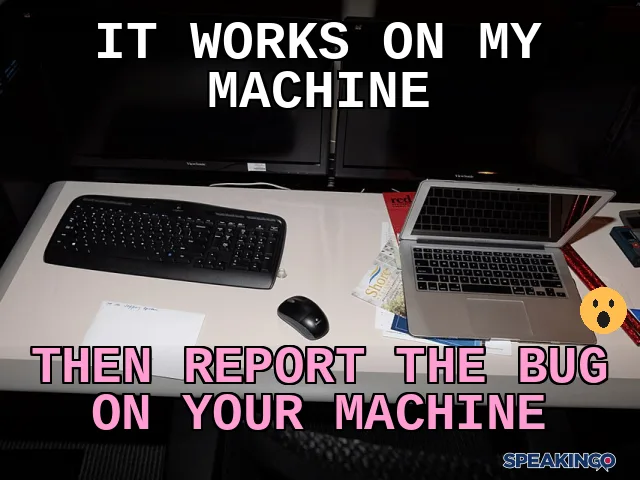
How to Write a Clear Bug Report in English
If your bug report in English sounds like “something is not working, please check it,” developers may make the face of someone who has just received furniture assembly instructions with no pictures. But you can write it clearly, briefly, and
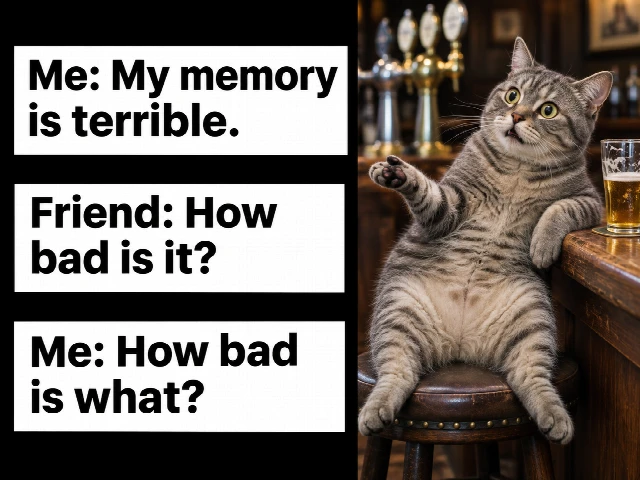
Spaced Repetition: How Do Spaced Reviews Work?
Just yesterday, you could easily ask for directions in English. Today you are standing in the street and cannot remember how to begin. When someone says the same sentence, you understand it right away. That is a good reason to come back to the phrases you have learned after a


Integrative or instrumental motivation for learning English?
Researchers distinguish two kinds of motivation for learning foreign languages. Find out whether you are driven by integrative or instrumental motivation for learning English. Linguists and methodologists have studied the process of learning foreign languages for years. A key element

English Future Tenses: Future Simple, Future Continuous, and Going To
Join me on a trip into the future. Let’s review English future tenses: future simple and future continuous, plus how to use going to and present continuous for the future.

Present Simple, Present Continuous, and How They Compare
Whenever I think about time, it turns out I am always in the present. The past is a fleeting memory, and the future is an uncertain guess. Here are the two English present tenses, present simple and present continuous, and

Contractions in English: contracted forms
Shortening in English is shortening, but that is not what we mean here. Let’s talk about the most important grammar contractions in English, which language experts gave a funny name: contracted forms.

A, an, the: Do English articles mean anything?
The English articles are the little words a, an and the. When and why do we use them, and when should we avoid them in English? And can they really change the meaning of a sentence in practice, for example

English first names and their short forms
Learn common English first names, their short forms, and how to introduce yourself or ask someone how to say their name.

Present Perfect, Present Perfect Continuous, Past Perfect, Future Perfect… and Other Perfect Tenses
Great! Perfect! Everything about inventions like present perfect, present perfect continuous, past perfect, past perfect continuous, future perfect and future perfect continuous. Whew! 🙂

Is Free Speech Still Alive at British and American Universities?
More than 500 years ago, Erasmus wrote that “in a free country, languages should also be free.” It may sound surprising to us, but there is a lot of evidence that free speech at British and American universities is sadly…

Continuous Verb Form
The continuous verb form is the one with the -ing ending. See what it is, how to make it, and when it is better not to use it in English.
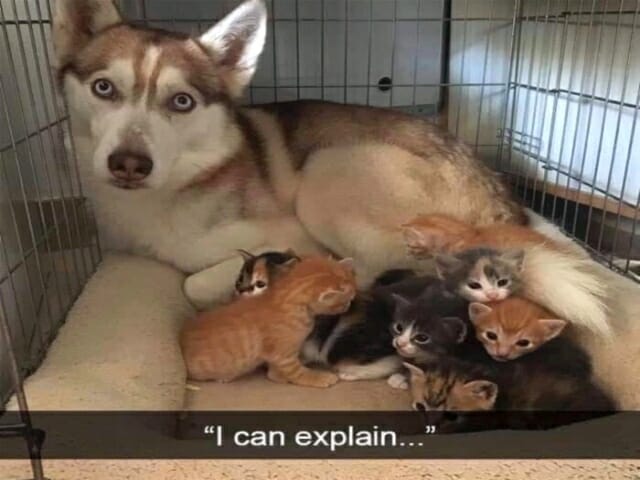
Cute memes with dogs
This will be the most beautiful thing you will see this week! Cute memes with dogs – in English with translation, of course. Because who said learning English can’t be fun!

Tips to Improve Your English Speaking Skills
English is often regarded as the global lingua franca, with over 1400 million speakers worldwide. Whether you’re a student, professional, or language enthusiast, fluency in English is now becoming an invaluable skill, especially if you want to fit into the global community. Improving your English speaking skills can also help improve your communication abilities. This

English Tenses Overview – 12 Great Ones and a Cat!
If English tenses are getting mixed up in your head, this overview with a cat will help clear things up. (What cat?!) A light-hearted, telegrahic summary of the twelve great English tenses.
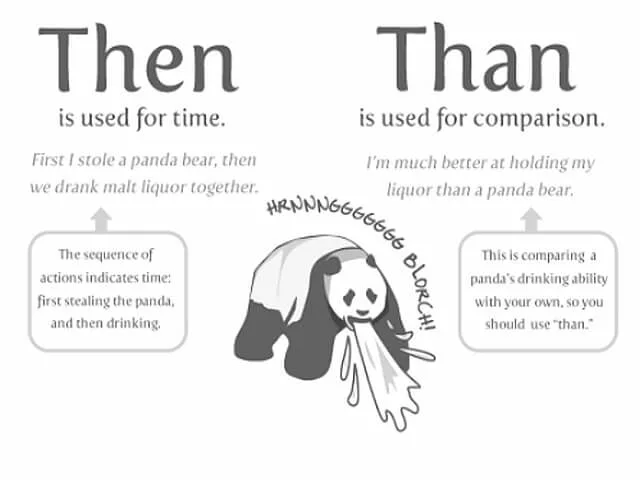
Difference between THAN & THEN in memes in English
The difference between then and than comes down to one tiny letter and is problematic not only for English learners but also for native speakers. Check out these 7 memes in English so you ‘ll never confuse than & then again !
English for Travel: Phrases That Really Come in Handy
A trip is supposed to be a pleasure, not a one-person show called: “Please, let someone speak Polish.” The good news is that when you travel, you do not need to know the whole dictionary — just a few solid phrases and a bit of courage.
How to remember phrasal verbs: one ordinary morning
How can you remember phrasal verbs and use them when you speak? Start with a short story. You probably know get and up. But then you meet get up, give up and put up with. Why do they mean different things? English can feel a little unfair. Don’t worry. Today, we will start with one
